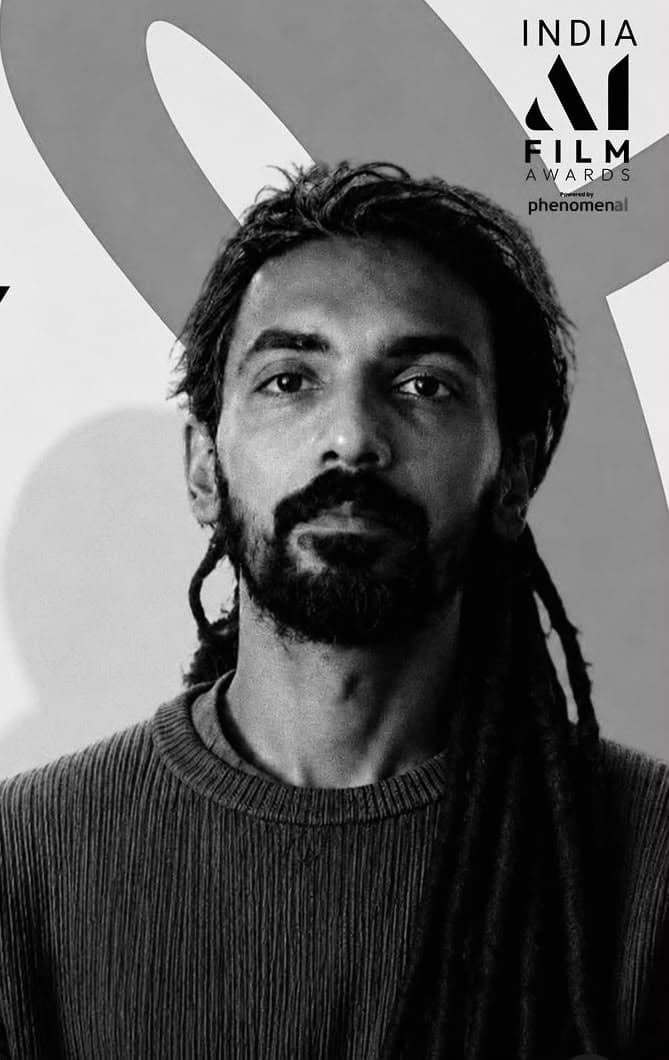
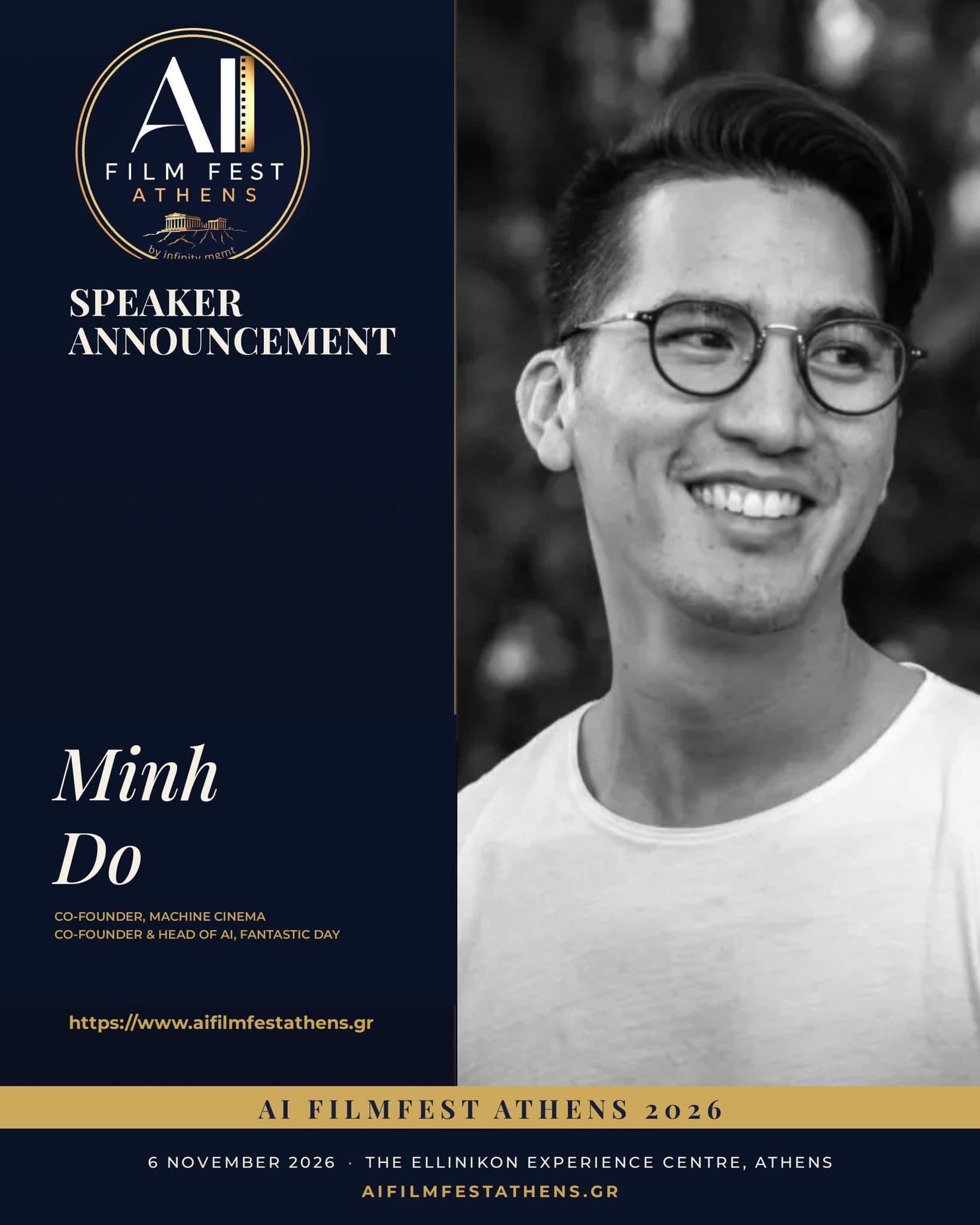
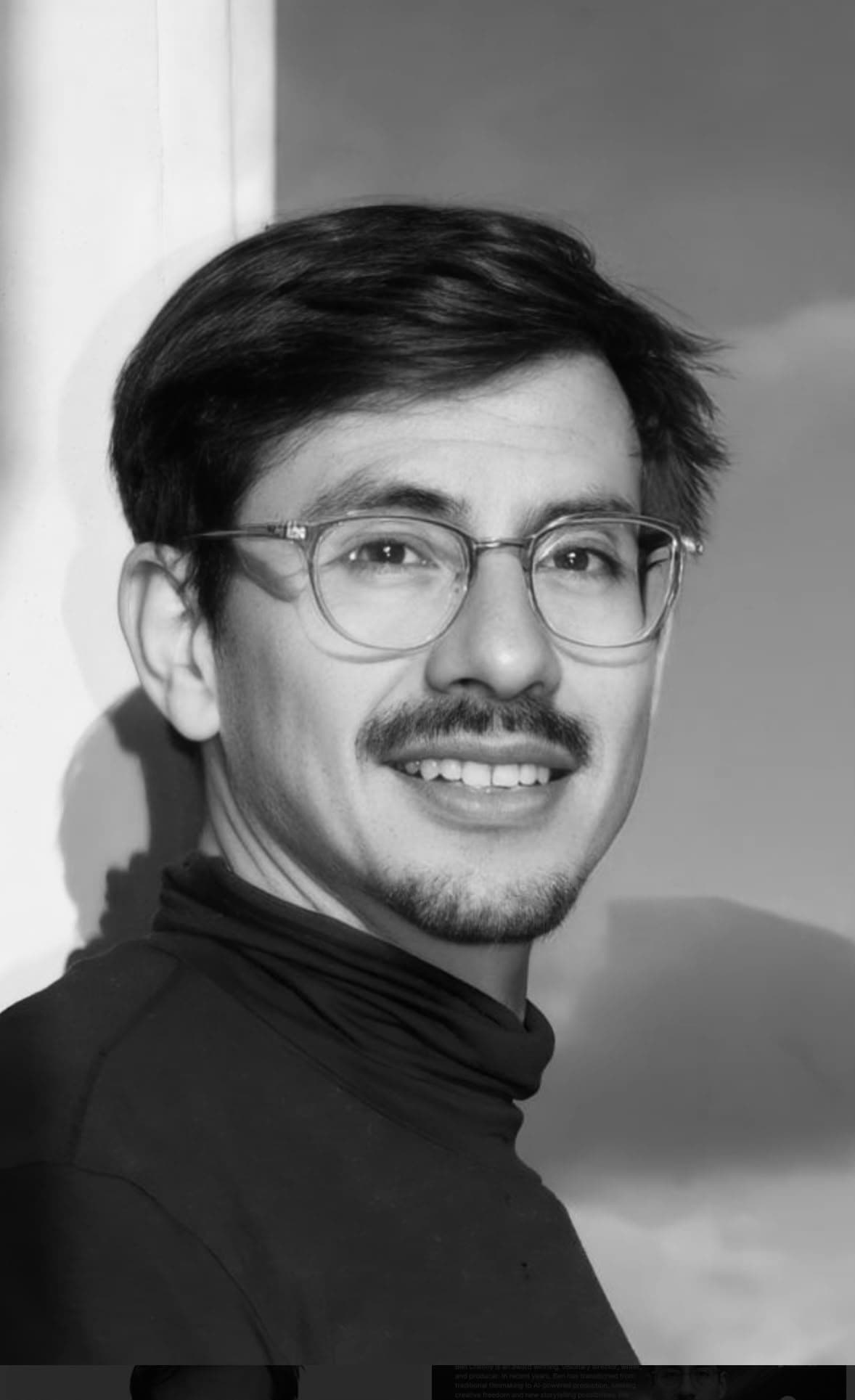
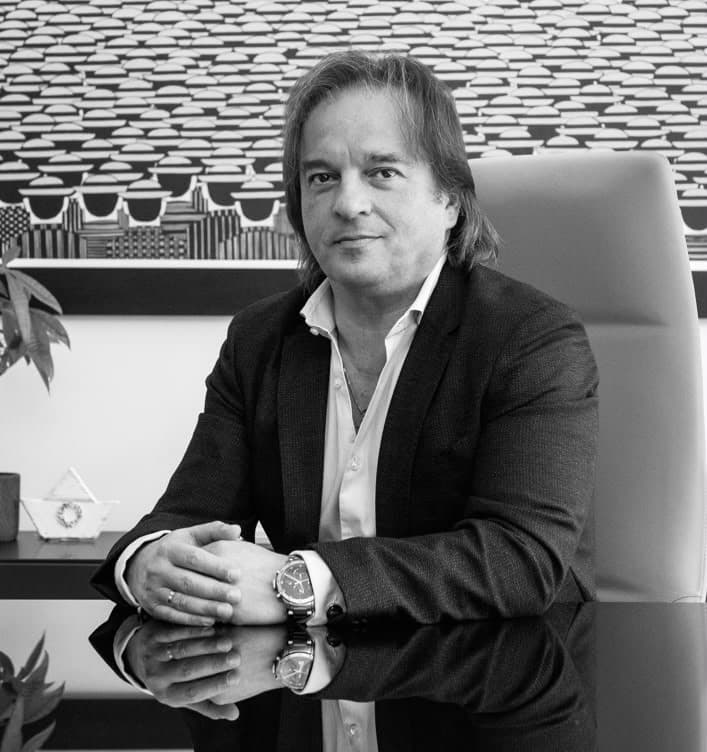
Minh Do is an entrepreneur, filmmaker, and educator working at the intersection of artificial intelligence, storytelling, and culture. He is the co-founder of Machine Cinema, a global community and creative platform exploring how generative AI is transforming filmmaking and visual storytelling. Through workshops, competitions, and collaborative productions, Machine Cinema brings together artists, filmmakers, and technologists to experiment with emerging tools and develop new forms of AI-native cinema.
Minh is also co-founder and Head of AI at Fantastic Day, a hybrid AI studio producing AI-driven media with musicians, brands, and filmmakers. Earlier in his career, Minh worked across venture capital, journalism, and media. He was an early Editor-in-Chief at Tech in Asia, where he helped shape coverage of the emerging Asian startup ecosystem, and later co-founded Vietcetera, a digital media platform focused on business, culture, and society in Vietnam. As a journalist, he interviewed leading figures in technology including Sundar Pichai, CEO of Google, and Anthony Tan, CEO of Grab.
Today Minh focuses on the creative frontier of AI. He works closely with leading AI labs through creator partner programs including Google Labs, OpenAI's Sora and ChatGPT image models, Pika, Luma Dream Machine, and others, exploring how new tools can expand the language of film, art, and games. His work is also informed by a philosophical interest in consciousness and creativity. Drawing from years of study in Zen Buddhism, Minh explores how AI challenges traditional ideas about authorship, mind, and imagination, and what a new era of human–machine creativity might look like.